What is eyelash glue?
Eyelash glue is a specialized cosmetic adhesive used to attach false eyelashes, including strip lashes and individual extensions, to the eye area. It keeps the lashes in place during daily movement, exposure to moisture, and other environmental factors.
However, the term “eyelash glue” is used broadly for different types of adhesives with distinct formulas and purposes. Glue for personal use and adhesive for professional lash extensions are not the same. Understanding which type you are using is essential for both performance and safety.
>>> Discover more: Discover UV Lash Lamp: The Next Big Thing in Eyelash Extensions
Eyelash extension glue is a cyanoacrylate adhesive for semi-permanent lash bonding
The key differences between strip lash glue and extension adhesive
A common mistake is using professional extension adhesive for strip lashes at home. Although both are called “eyelash glue,” they are very different in formula and use.
Strip lash glue (temporary use)
This type is made for daily wear. It usually contains acrylic resins, latex, or water-based ingredients. The glue is applied directly to the eyelid, just above the lash line, and dries into a flexible layer that holds the strip lash in place.
It typically lasts 12 to 24 hours and can be removed easily with makeup remover. This is a suitable option for personal use and short-term wear.
Professional extension adhesive (semi-permanent use)
This adhesive is designed for attaching individual extensions to natural lashes in a salon setting. Its main ingredient is cyanoacrylate, which creates a strong and long-lasting bond.
It is applied only to the natural lash, not the skin, and can last 4 to 8 weeks, following the natural lash cycle. This product requires proper training to use and is not suitable for at-home application due to safety risks.
|
Feature
|
Strip lash glue
|
Professional extension adhesive
|
|
Active ingredient
|
Acrylic resin, latex, or water-based polymers
|
Cyanoacrylate
|
|
Drying mechanism
|
Air dries through water evaporation
|
Cures through chemical reaction with humidity
|
|
Application area
|
Applied directly to the eyelid
|
Applied only to natural lashes, not skin
|
|
Lifespan
|
12 to 24 hours
|
4 to 8 weeks
|
|
Removal method
|
Easily removed with makeup remover
|
Requires a professional remover
|
What are the core ingredients in eyelash glue?
Professional eyelash adhesive is formulated from a combination of key ingredients that work together to create a strong and stable bond.
Cyanoacrylate
This is the main adhesive component. It reacts with moisture in the air and quickly hardens to form a solid bond between the extension and the natural lash. Different types are used depending on the purpose. Ethyl cyanoacrylate provides fast drying and strong hold, while methoxy cyanoacrylate is often used in formulas designed to reduce fumes, though it may bond slightly less strongly.
PMMA (Polymethyl Methacrylate)
If cyanoacrylate is the engine, PMMA is the chassis. Once the cyanoacrylate creates the initial bond, this polymer interlocks with it to form a highly durable, long-lasting framework. This specific ingredient ensures professional lash extensions can withstand daily wear and tear for several weeks.
Stabilisers and additives
Without stabilisers, eyelash glue would harden instantly inside the bottle. Hydroquinone acts as an inhibitor, preventing the cyanoacrylate formula from polymerising prematurely. Additionally, minor ingredients like Carbon Black are frequently added to give the adhesive a deep, rich colour that visually enhances the client's lash line.
The key ingredients behind every professional lash glue
Common ingredients in eyelash glue
|
Ingredient
|
Description
|
|
Cyanoacrylate
|
The main bonding agent that hardens when exposed to moisture
|
|
Polymethyl Methacrylate (PMMA)
|
Improves the strength and durability of the bond
|
|
Ethyl Cyanoacrylate
|
Provides fast drying and strong adhesion
|
|
Carbon Black
|
Adds black colour to the adhesive
|
|
Water
|
Supports the curing process
|
|
Other additives
|
Include stabilisers and antioxidants to maintain product performance
|
Because formulas can vary by brand and purpose, checking the ingredient list helps ensure the product matches your needs and is safe to use.
Ingredients to be cautious of in eyelash glue
When checking eyelash glue, it’s not just about the name of the ingredient, but how it can affect the skin and eyes. Below are the common ingredients to watch out for:
|
Ingredient
|
What it does
|
Why it may cause issues
|
|
Formaldehyde
|
Sometimes present in small amounts or released during curing
|
Can irritate eyes, cause redness, watery eyes, or allergic reactions, especially with repeated exposure
|
|
Latex
|
Helps create a flexible, rubber-like hold in strip lash glue
|
A common allergen may cause itching, swelling, or rashes on the eyelid
|
|
Fragrance (parfum)
|
Added to improve the smell
|
Not necessary for performance; can easily irritate the sensitive eye area
|
|
Harsh solvents (e.g., acetone)
|
Help dissolve or adjust the formula
|
Can dry out skin, weaken the skin barrier, and cause stinging or irritation
|
|
Formaldehyde releasers (e.g., DMDM hydantoin, diazolidinyl urea)
|
Preserve the product by preventing bacterial growth
|
Slowly releases formaldehyde over time, which may trigger sensitivity or allergic reactions
|
Understanding lash glue drying time and viscosity
When choosing eyelash adhesive, technicians need to consider how the product behaves during application. Two key factors are drying time and viscosity, as they directly affect control, accuracy, and retention.
Drying time (how fast the glue sets)
Drying time determines how quickly the adhesive cures after the extension is placed on the natural lash. Selecting the right speed helps match the technician’s skill level and avoid application errors.
-
Fast drying (0.5–1 second): Suitable for experienced technicians. Requires quick, precise placement and is often used for Volume or Mega Volume lashes.
-
Medium drying (2–3 seconds): A balanced option for intermediate users. Allows some adjustment time while still working efficiently.
-
Slow drying (4–5+ seconds): Ideal for beginners. Provides more time to position and adjust the lash before the glue sets.
Using glue that dries too quickly can lead to poor bonding if placement is not done in time.
Viscosity (how thick or thin the glue is)
Viscosity describes the texture of the adhesive and how it flows during use.
-
Thin viscosity: More liquid and lightweight. Helps control small amounts of glue, making it suitable for Volume techniques where precision is important.
-
Thicker viscosity: More dense and slower-flowing. Creates a larger bead of glue, which works well for Classic lashes that require a stronger, more stable hold.
Choosing the right combination of drying time and viscosity helps improve application control and overall lash retention.
Guide to selecting lash glue that matches your artistry and client needs
The impact of the Australian climate on eyelash glue performance
Environmental conditions in Australia vary significantly by region and season, which directly affects how eyelash adhesive performs. For consistent results, technicians need to adjust their setup based on these changes.
Humidity (ideal: 45%–60%)
Eyelash adhesive cures by reacting with moisture in the air, so humidity levels are critical.
-
High humidity (common in coastal or summer conditions): Adhesive cures too quickly, which can lead to a weak or brittle bond and possible white residue on lashes.
-
Low humidity (common in cooler or drier seasons)
Adhesive cures more slowly, making lashes harder to secure and increasing the chance of shifting during application. Fumes may also linger longer.
Temperature (ideal: 20°C–25°C)
Temperature changes across Australian climates can also affect adhesive behavior.
-
Warmer conditions: Adhesive becomes thicker and may lose effectiveness more quickly during use.
-
Cooler conditions: Curing slows down, which can reduce bonding strength and precision.
Summary of environmental impact
|
Condition
|
Effect on adhesive
|
|
Hot and humid
|
Cures too fast, the bond may be brittle
|
|
Cool and dry
|
Cures slowly, lashes may not hold well
|
|
Cool and humid
|
Unstable curing, less predictable results
|
Because climate conditions can change throughout the year, maintaining a stable indoor environment helps ensure better retention and more consistent application results.
>>> Discover more: Adjusting Moisture for Lashing: A Pro Guide
A simple chart for diagnosing and fixing lash adhesive issues fast
Professional eyelash glue protocols: storage, safety, and application
To keep eyelash glue working effectively and safely, technicians need to control how it is stored and used in detail. Small mistakes can quickly affect bonding quality and retention.
Eyelash glue storage guidelines (after opening)
Eyelash glue begins to degrade as soon as it is exposed to air and moisture, so storage needs to be consistent:
-
Position: Always store the bottle upright to prevent leakage and clogging at the nozzle.
-
Environment: Keep in a cool place (around 20–25°C), dry, and away from direct light.
-
Moisture control: Place the adhesive in a sealed pouch with silica gel to limit humidity exposure, which can trigger early curing inside the bottle.
-
Avoid temperature changes: Do not store in the refrigerator, as moving between cold and room temperature creates condensation inside the bottle.
-
Usage lifespan: Mark the opening date and replace after 4–6 weeks, even if there is product left, because bonding strength and consistency decrease over time.
Eyelash glue application best practices
Proper handling during appointments ensures the eyelash glue performs as expected:
-
Shake thoroughly: Shake for 30–60 seconds before first use to evenly distribute ingredients. Uneven mixing can lead to inconsistent bonding
-
Clear old adhesive: Dispense the first drop onto a tissue to remove glue that has been exposed to air and may have started curing
-
Control glue freshness: Replace the glue drop every 15–20 minutes because it reacts continuously with air humidity and thickens over time
-
Use a minimal amount: Apply only a small amount of eyelash glue to avoid excess buildup, which can affect flexibility and retention
Following these steps helps maintain stable eyelash glue performance, reduce application errors, and improve overall lash retention.
Principles of using eyelash glue
Eyelash glue safety: health risks and allergic reactions
When working with eyelash glue, safety is critical because the eye area is sensitive and easily affected by chemicals. Understanding the difference between irritation and allergy helps technicians respond correctly.
Chemical irritation vs. allergic reaction
-
Chemical irritation (short-term reaction): This happens when fumes from eyelash glue come into contact with the eye, often if the client’s eyes are not fully closed.
-
Symptoms: redness, watery eyes, mild burning or stinging during or shortly after the appointment
-
Duration: usually improves within 24 hours
-
Allergic reaction (delayed response): This is an immune reaction to ingredients such as cyanoacrylate or carbon black. It may develop over time, even if the client has had no previous issues.
-
Symptoms: swelling of the eyelids, itching, redness, and in more severe cases, blistering
-
Onset: typically appears 24–48 hours after the appointment
Safety practices when using eyelash glue
To reduce risks, technicians should follow clear safety procedures:
-
Understand product information: Review the safety data sheet of the eyelash glue to know how to handle, store, and respond to exposure
-
Ensure good ventilation: Work in a well-ventilated space to reduce fume concentration. This helps protect both the client and technician
-
Perform patch testing: Apply a few extensions to the outer corners of the eyes 24–48 hours before a full set. This helps identify possible reactions early
Following these practices helps minimise irritation, detect allergies in advance, and ensure a safer lash application process.
>>> Discover more: How to Minimize Lash Adhesive Reactions and Enhance Client Comfort
The business of glue: ROI and the Australian market
The Australian hair and beauty industry is a $6.9 billion market, heavily driven by client retention and professionalism [3]. Choosing an adhesive is fundamentally a business decision.
A cheap, underperforming glue requiring frequent, free "fix" appointments is exponentially more expensive than a premium adhesive delivering flawless six-week retention. High-quality retention translates directly into loyal, repeat customers and positive word-of-mouth referrals.
Brands like LASHESBYRK structure their adhesive lines specifically to cater to different professional needs, allowing salons to scale their operations. For instance, their Mega Bond targets expert volume artists with a 0.5-second cure, while their Ultimate Bond provides a 2-3 second window for classic applications. Investing in the correct tier of product ensures operational efficiency. Furthermore, all products used in Australian salons must comply with Australian Competition and Consumer Commission (ACCC) regulations regarding cosmetic labelling and safe formaldehyde limits [4].
Safe removal and aftercare protocols
Applying the adhesive correctly is only half the equation, removing it safely prevents traction alopecia and natural lash damage.
Removing strip lash glue at home
Consumers can safely dissolve strip lash glue at home. Physical pulling should be strictly avoided.
- Saturate a cotton pad in a dual-phase, oil-based makeup remover.
- Press the pad gently against the closed eyelid for 30 to 60 seconds to break down the acrylic/latex bond.
- Once softened, gently slide the strip lash off and cleanse the remaining residue with a cotton swab.
Professional extension glue removal
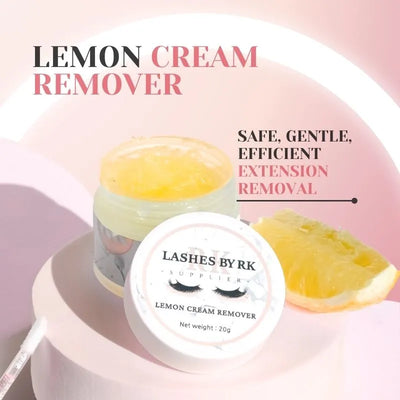
Extension adhesive requires a specific chemical solvent to break down the cyanoacrylate polymer mesh. Consumers must never attempt DIY removal. Technicians apply a professional gel or cream cyanoacrylate remover using a micro-swab. After processing for 5 to 10 minutes, the cream dissolves the hardened adhesive back into a pliable state, allowing the extensions to slide safely off the natural hair follicle without causing damage.
>>> Discover more: How to Safely Remove Lash Extensions: Expert Guide for Lash Artists
Frequently asked questions (FAQ)
1. Is eyelash extension glue the same as false eyelash glue?
No, eyelash extension glue and false eyelash glue are different products. Eyelash extension glue is designed for professional use to attach individual extensions to natural lashes. It creates a strong, long-lasting bond that can last for weeks. False eyelash glue, or strip lash glue, is used to attach strip lashes to the eyelid. It is made for temporary wear and is easy to remove at the end of the day.
2. How long does eyelash adhesive last?
Eyelash adhesive typically lasts 3 to 6 months from the date of manufacture if unopened and stored correctly. Once opened, its performance starts to decline due to exposure to air and moisture, so it is usually recommended to use it within about 4 weeks for best results.
3. Is lash adhesive the same as lash glue?
Yes, “lash adhesive” and “lash glue” generally refer to the same product. Both terms are used to describe the substance that bonds false lashes or extensions in place.
4. How do I know if my eyelash glue has gone bad?
If the consistency changes: becoming stringy, excessively thick, or gummy, it has expired. Additionally, a sudden, unexplained drop in client retention is a primary indicator that the adhesive formula has degraded.
5. Can I use nail glue or superglue for my eyelashes?
Absolutely not. Industrial superglues and nail adhesives contain toxic levels of chemicals that will cause severe chemical burns to the eyes and skin. Only cosmetically approved eyelash adhesives should be used.
References
[1] American Academy of Allergy, Asthma & Immunology. (2024). Acrylate Allergy. Retrieved.
[2] Safe Work Australia. (2024). Hazardous chemicals. Retrieved.
[3] IBISWorld. (2024). Hair and Beauty Services in Australia - Market Size, Industry Analysis, Trends and Forecasts (2024-2029). Retrieved from:https://www.ibisworld.com/au/industry/hair-beauty-services/1922/
[4] Australian Competition and Consumer Commission (ACCC). (2015). ACCC analytical survey of formaldehyde in false eyelash glues supplied in Australia. Retrieved from:https://www.productsafety.gov.au/
Explore more professional lash extension supplies to perfect every application:
- Lash Extension Tweezers – Experience ultimate control and accuracy with ergonomically designed tweezers for every lash technique.
-
LED Lash Extension – Innovate your artistry with advanced LED curing systems for faster, safer lash applications.
-
UV Glue – Discover the next generation of lash adhesives — fast-setting, flexible, and designed for modern lash professionals.
-
Lash Lift Kit – Elevate natural beauty with a complete professional kit for stunningly lifted, long-lasting lashes.
-
Eyelash extension kits- Professional-grade collections of the necessary tools, adhesives, and solutions for complete lash application and aftercare.
✨ Complete your kit with premium Lash Extension Supplies from Lashesbyrk - where innovation meets artistry.